Table Of Content

This will allow you to grasp only the hair and avoid damaging your skin. No, you can’t catch folliculitis decalvans from someone else. The condition sometimes affects members of the same family, but experts aren’t sure why.
Eczema (seborrheic dermatitis)
If your cysts are hereditary, you may need ongoing treatments as they recur. If home remedies aren’t helping and the cyst does not appear to be healing, see a doctor. They can prescribe antibiotics to clear up the infection and/or determine if the cyst needs to be surgically removed. The results of electrolysis and laser hair removal are immediate. Your doctor may also recommend prescription medication if your scalp psoriasis starts to trigger other conditions, like hair loss. Soaking your skin in warm water and using special shampoos and conditioners can help soften and remove bumpy psoriasis plaques.
Infected ingrown hair treatment
Keratosis pilaris is easy to recognize, so medical testing isn’t usually necessary. The location and characteristics of the bumps can help you identify whether you have keratosis pilaris. But if your healthcare provider isn’t sure, they may conduct an allergy test or a biopsy.
Ringworm on the scalp
Applying an over-the-counter moisturizer keeps skin hydrated, minimizing and softening the bumps. Apply moisturizer several times each day, especially after showering while your skin is still damp. If the bumps bother you, treatment with moisturizers, creams and gentle skin care may help your symptoms.
Hair structure and direction of growth play a role in ingrown hair. A curved hair follicle, which produces tightly curled hair, is believed to encourage the hair to reenter the skin once the hair is cut and starts to grow back. Shaving creates a sharp edge on hair, making it easier to pierce the skin. The core goal of treatment for any of these cysts is to reduce their occurrence by keeping your skin exfoliated and moisturized.

The Best Razor Bump Treatments - Men's Journal
The Best Razor Bump Treatments.
Posted: Mon, 18 Sep 2023 07:00:00 GMT [source]
The affected skin can feel painful, hot and may be itchy. In children, it typically affects the hands, backs of the knees, insides of the elbows, scalp, and face. On a person with darker skin, the affected areas may become darker, grayish, or purplish.
Drugs & Supplements
You can use one of these emollients as a soap substitute until the folliculitis has cleared. If there is an infection which is spreading deeper or onto surrounding skin you should see your GP. When the scalp reacts to an irritant or allergen, such as a chemical, it can cause itchiness, a burning sensation, and sometimes blistering.
Causes of folliculitis
A hair becomes ingrown if it grows back into your skin while being outside of its hair follicle. The curlier the hair, the more likely it is to become ingrown. A hair can curve back into your skin as it grows out and become trapped under your skin. So, wearing tight clothing such as leggings and jeans can contribute. If you’re aiming for a smooth, hair-free look, ingrown hairs can ruin the effect.
Types of folliculitis
If your folliculitis clears up, you may want to change your shaving technique. Washing with warm water and antibacterial soap is often enough to clean and help heal the area. You can also try a saltwater solution, or vinegar mixed with water. If none of these things does the trick, your doctor can prescribe an antibiotic you apply to your skin. You can get folliculitis “down there” because of waxing, shaving, or plucking. Wearing clothing that rubs against your skin can also lead to painful pimples in your underwear area.
If the underlying cause of scalp folliculitis is pityrosporum, then an oral antifungal is the best treatment. However, the topical cream does not penetrate deep into the hair follicles and may not completely clear the infection. If the cyst looks infected or didn't go away after you tried at-home treatment, see a healthcare provider. They can give you antibiotics and other treatments to keep the infection from spreading and prevent scarring. Ingrown hair cysts are small, fluid-filled sacs of tissue on the skin. They form around a piece of hair that is growing into the skin instead of out of it.
They can determine if you have an infection that needs medical treatment. Hair removal methods that don’t require shaving are less likely to result in ingrown hairs, but they don’t necessarily get rid of the problem entirely. If you’re prone to getting ingrown hairs, you may still be at mild risk even with some of these methods. Laser hair removal is a good way to get rid of ingrown hair because it destroys the underlying hair follicle.
The first sign of an infected ingrown hair is often a bump. As the infection progresses, you may see pus, and the bump may grow larger. Home remedies can often treat ingrown hairs, even if the affected area becomes infected.
You’ll also notice that the patches are itchy and greasy, with flakes that appear white, yellow, or red in color. It is important to be aware of the chemicals in the products you use on your skin and to avoid those that can cause irritation. If you experience symptoms of folliculitis after using a new product, discontinue use and consult a dermatologist.
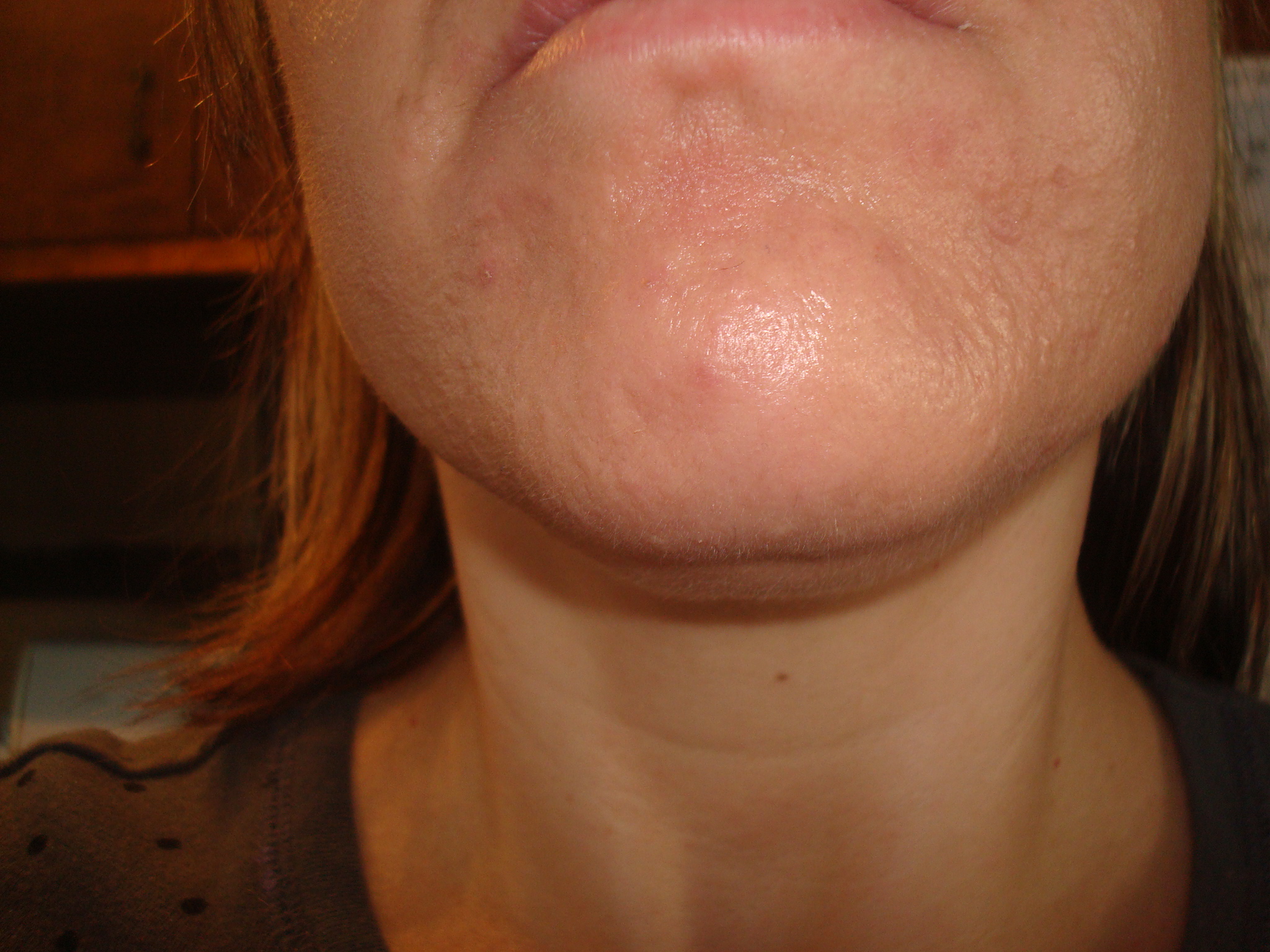
This can help ease the ingrown hair out of the skin on its own. For a severe infection, they can prescribe medication to treat it and coax the hair out. For example, prescription steroid creams can reduce inflammation, and prescription-strength antibiotic creams can treat the infection. If your infection is mild or infrequent, you may be able to use home remedies.



No comments:
Post a Comment